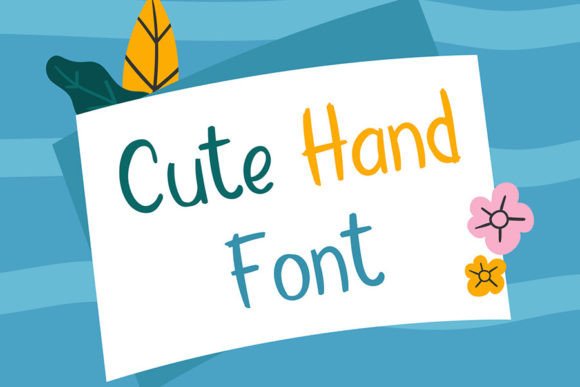
Cute Hand Font: Where Authenticity Meets Versatility in Modern Design
In an era where digital saturation threatens to flatten visual expression, designers, marketers, and creators are increasingly seeking typefaces that feel human—not just readable, but relatable. Enter Cute Hand: a sweet, colorful handwritten font that doesn’t just mimic handwriting—it captures its warmth, spontaneity, and quiet intentionality. More than a stylistic choice, Cute Hand Font reflects a broader shift toward authenticity in brand communication, user experience, and visual storytelling.
What Is Cute Hand—And Why Does It Stand Out?
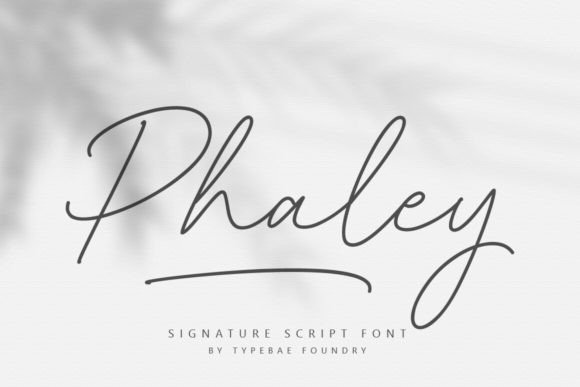
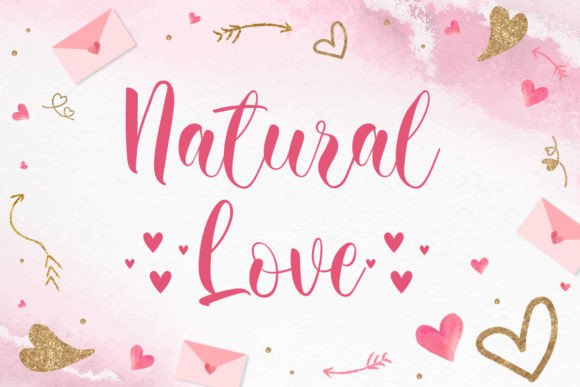
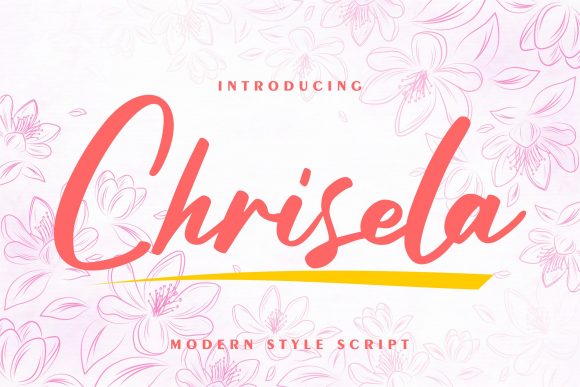
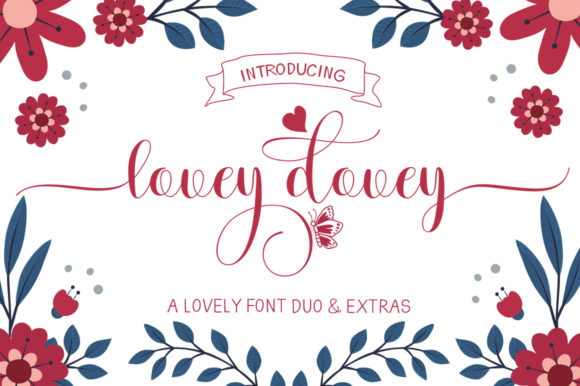
Cute Hand is a meticulously crafted handwritten typeface designed with organic flow, playful energy, and chromatic charm. Unlike rigid script fonts that prioritize flourish over function, Cute Hand balances legibility with personality—its letterforms feature subtle variations in stroke weight, natural entry/exit terminals, and gentle, joyful irregularities that echo real pen-on-paper motion. Each glyph feels intentional, not algorithmic.
Its “sweet and colorful” character isn’t merely aesthetic—it’s strategic. The font includes built-in color variants (often accessible via OpenType features or layered font files), enabling seamless multicolor text without manual layering in design software. This bridges the gap between typographic integrity and visual vibrancy—a rare convergence in the handwritten category.
Aligning With Evolving Creative and Consumer Expectations
Today’s audiences—especially Gen Z and younger millennials—are highly attuned to tone, texture, and perceived sincerity. A 2023 Adobe Creative Cloud report found that 78% of consumers say they’re more likely to engage with brands that use expressive, human-centered visuals. That preference extends directly to typography: clean sans-serifs still dominate corporate interfaces, but handwritten fonts like Cute Hand are rising rapidly in contexts where emotional resonance matters most—think wedding invites, boutique packaging, social-first campaigns, and micro-business branding.
This trend isn’t about nostalgia. It’s about differentiation through humanity. As AI-generated imagery and templated layouts flood digital spaces, hand-crafted elements—including authentic-looking handwriting—signal care, craft, and intention. Cute Hand delivers that signal without requiring actual handwriting skills. For freelancers juggling five client projects or solopreneurs building their first Shopify store, it offers professional-grade expressiveness with near-zero learning curve.
Workflow Integration: Designed for Real-World Use
One reason Cute Hand is gaining traction among professionals isn’t just how it looks—but how it works. It’s engineered for compatibility across platforms and applications: fully functional in Adobe Creative Suite (with OpenType support for ligatures and stylistic alternates), compatible with Canva’s text engine, and optimized for web use via WOFF2 delivery. Its generous x-height and open counters ensure readability even at small sizes—critical for mobile-first designs like Instagram Stories or email headers.
Practically speaking, users report deploying Cute Hand in three high-impact ways:
- As a headline font for landing pages and campaign banners—where its warmth softens bold messaging without sacrificing clarity;
- As a logo font for lifestyle brands, bakeries, children’s products, and wellness services—where it reinforces values like approachability, care, and joy;
- As a branding font system, paired intentionally with neutral sans-serifs (e.g., Inter or Manrope) to create typographic contrast that guides attention while maintaining hierarchy.
Crucially, Cute Hand supports both personal and commercial licensing—removing friction for creators launching side hustles or agencies scaling client work. No need to negotiate usage rights mid-project; it’s ready when you are.
From Niche Tool to Strategic Asset
Historically, handwritten fonts occupied a narrow lane: birthday cards, craft blogs, Pinterest mood boards. But Cute Hand exemplifies how contemporary type design is expanding that lane into mainstream professional practice. Its versatility stems from deliberate constraints—no excessive swashes, no forced formality, no visual noise. Instead, it offers focused expressiveness: friendly but not childish, decorative but not distracting, distinctive but never alienating.
This aligns with larger industry movements. Consider the rise of “quiet branding”—a strategy favoring subtlety, consistency, and emotional intelligence over loud, trend-chasing aesthetics. Or observe the growth of “micro-branding,” where independent creators build recognizable identities across TikTok bios, Etsy shop headers, and printed thank-you notes. In both cases, Cute Hand functions not as decoration, but as a unifying thread: the same font can anchor a product label, animate a short-form video caption, and appear on a custom sticker sheet—all while reinforcing a cohesive, human-scaled voice.
Real-World Observations: How Teams Are Using It Today
A Portland-based stationery studio recently adopted Cute Hand as its primary display font across all customer-facing assets—from order confirmations to limited-edition greeting card series. Their rationale? “Clients told us our old serif felt ‘too formal’ for what we sell—joy, celebration, intimacy. Cute Hand gave us instant warmth without sacrificing polish.”
Meanwhile, a Toronto-based freelance UX designer uses Cute Hand selectively in user research deliverables—specifically for quote callouts in empathy maps and journey reports. “It helps humanize data,” she explains. “When stakeholders see a direct user quote rendered in Cute Hand, it lands differently than in Helvetica. It reminds them there’s a person behind every metric.”
Even B2B SaaS companies are exploring its utility—not for headlines, but for micro-interactions. One HR tech platform uses Cute Hand in onboarding tooltips (“You’re all set! 🌟”) to soften technical complexity and reinforce their employer-brand promise of kindness and clarity.
Technology, Accessibility, and Responsible Use
While Cute Hand excels in expressive contexts, responsible implementation requires awareness. Handwritten fonts—even well-designed ones like this—should be avoided for body copy, legal disclaimers, or accessibility-critical interfaces (e.g., error messages, form labels). Screen readers and low-vision users rely on predictable, high-contrast, consistently spaced glyphs—traits better served by tested UI fonts.
That said, Cute Hand demonstrates thoughtful technical execution: its Unicode coverage includes Latin-1 and extended Latin characters, supporting most Western European languages out of the box. Kerning pairs are tuned for common combinations (e.g., “Th”, “Aw”, “oo”), reducing awkward spacing in headlines. And because it’s available in multiple weights (including a clean “Cute Hand Light” variant), designers can modulate emphasis without switching type families—a subtle but powerful efficiency in responsive layouts.
Looking Ahead: Typography as Relationship-Building Infrastructure
Fonts are no longer passive containers for text. They’re active participants in how meaning is received, remembered, and trusted. As remote collaboration deepens, attention spans compress, and brand loyalty hinges on emotional alignment, tools like Cute Hand Font become infrastructure—not ornamentation.
Its growing adoption signals something deeper: a collective recalibration of what “professional” means. Professionalism no longer demands uniformity. It demands clarity, consistency, and context-aware humanity. Cute Hand meets that standard—not by being everything to everyone, but by doing one thing exceptionally well: helping creators communicate with heart, without compromising craft.
Whether you're designing a wedding suite for a couple who met at a farmers market, launching a skincare line rooted in botanical science and self-care rituals, or building a nonprofit’s annual report that balances impact data with personal stories—Cute Hand offers a voice that’s both distinct and deeply inclusive. It doesn’t shout. It leans in. And in today’s crowded, fast-moving creative landscape, that quiet confidence may be the most powerful statement of all.
Ready to bring that warmth into your next project? Cute Hand Font is available for immediate download with full commercial rights—so you can focus less on licensing logistics and more on what matters: connecting, engaging, and creating with purpose.